
How Agent Ready checks a website: 17 checks, two passes and a wall detector
Our free scanner asks whether an AI assistant can actually book or buy on your site. Here is exactly how it decides, and the rules that keep the score honest.
Notes from the work · Tag
Our free scanner asks whether an AI assistant can actually book or buy on your site. Here is exactly how it decides, and the rules that keep the score honest.

Ideate takes one hunch through six steps and ends with the cheapest test you could run this week. Claude adds ideas when asked. It is never allowed to rank them.

When someone on our team fixes something an AI wrote, that fix becomes a lesson six Sneeze It tools read before they write again. Here is how the Brain decides what counts, and what never goes agency-wide without a human yes.

We let our team ask every Sneeze It tool a question from inside Claude or ChatGPT. Before we built the door, we wrote down who may never walk through it, and what may never come back out.
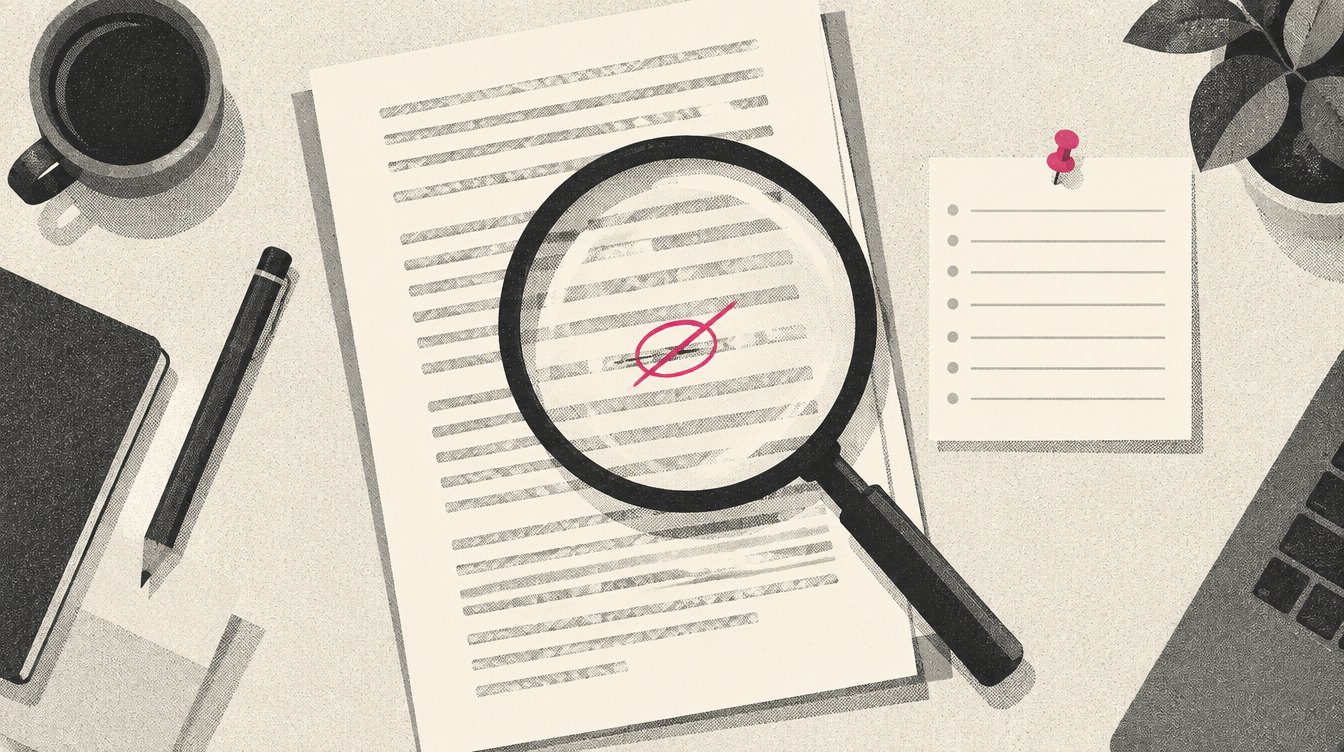
Coach uses AI to write the plain-English paragraphs of a client report. Code computes every figure, a checker rejects any number the AI was not given, and a person reads it before it goes.

A report built to find good news teaches everyone to miss the bad news. So we took the Wins section out of Coach and put five plain comparisons in its place.

The three-mile radius is the most common map in site selection, and it is wrong in ways you cannot see on the map. Here is how Audience draws the market instead, and what changed when it did.

Before building a forecast for new sites, we tested the industry's favorite inputs against 865 ZIP codes and about $102,000 of real ad spend. Here is what Audience uses instead.

Our team spends its day in two places, the public Ad Library and other people's websites. So we built a Chrome extension that brings our own tools to both, in four versions over two days.

Meta grades your ads by where it puts the money. We grade them a second time, by what a lead actually cost, and that second grade decides what our team makes next.

Our team can take an ad design that is working in the market and rebuild it in your brand, your words and your approved offer. The AI does the design work. Software guards your logo, your prices and your reviews.

Before a new ad reaches your inbox, Studio checks it against what has actually brought you leads at a good cost. If the read it is checking against is more than a week old, it refuses.

Most ad approvals happen on a flat image in an email. In Studio you approve the ad inside the real Facebook, Instagram or Google frame, and the version you approve is the version that runs.
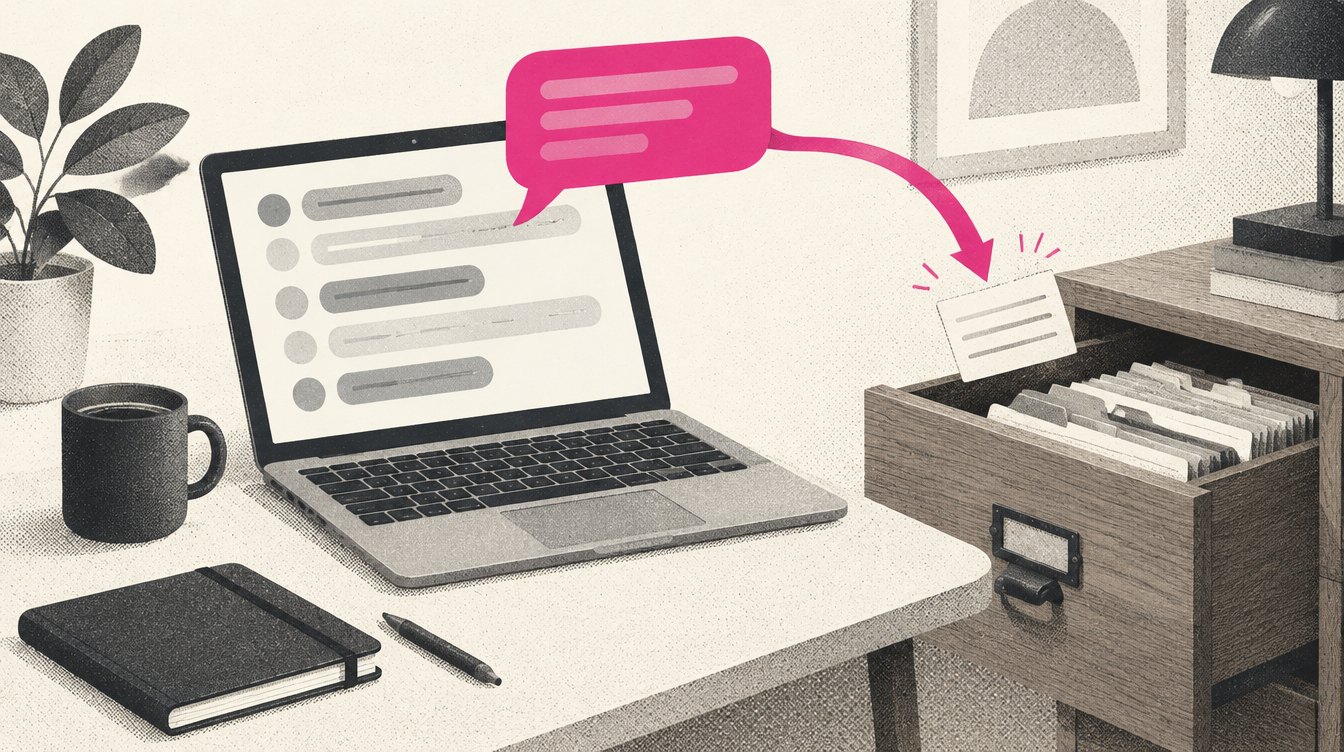
One" lives in our company Slack. It answers questions, takes notes, changes facts and files requests in plain words, and every change it makes is recorded in the Hub under the name of the person who asked.
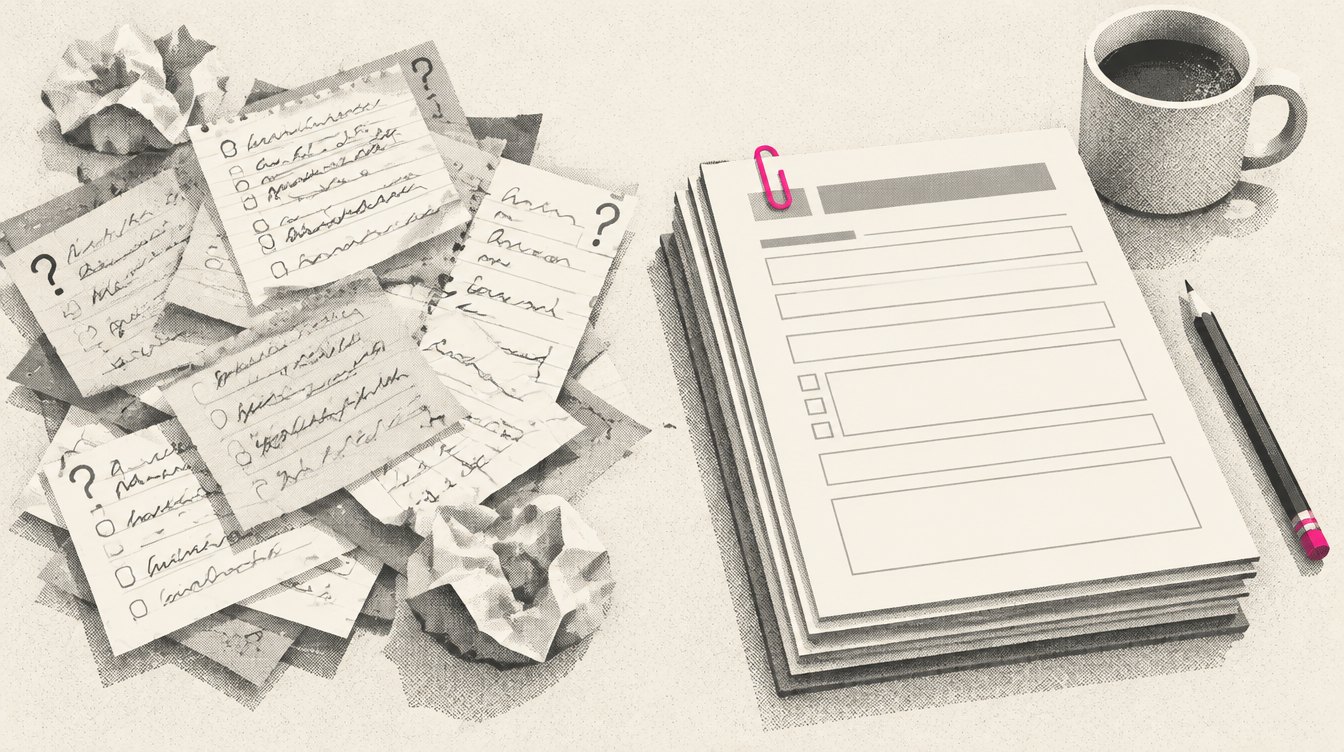
Our request desk now asks for the deadline, the other locations and the files up front, files every request on the location it is about, and stays in sync with the Jira desks our team already works in. Here is what is live, and the one part we have not proven yet.

On a franchise marketing call, "not connected" is the most useful thing a location page can say, as long as it says which kind. Here is how the Hub tells them apart, and why each one is a different job.
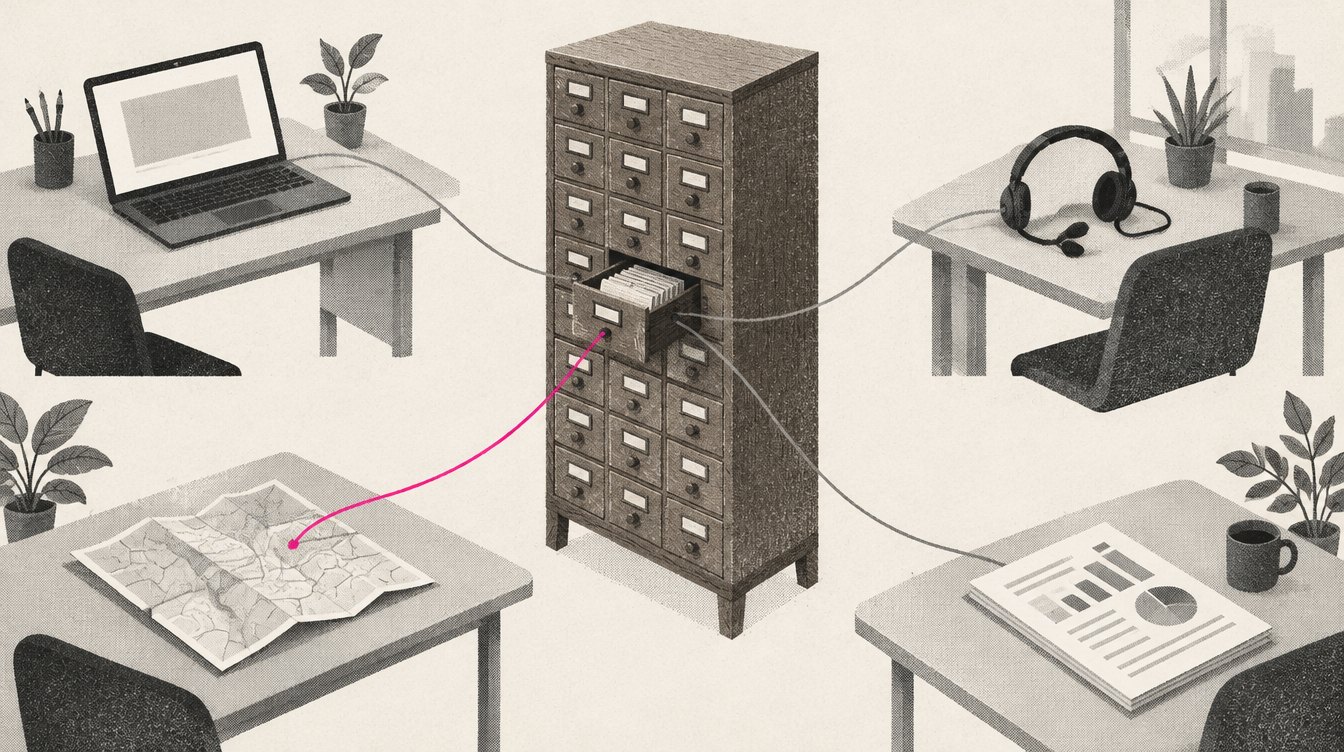
Our creative, reporting, market, call center and AI tools all ask the Hub who a client is. Here is how that works, the rules that keep it clean, and what it changes when you tell us something once.

Our first portal was organized around a process. A day later we started again with one page per gym, studio or spa. Here is what that page holds, and why a record beats a workflow.

Every tool our team uses to make, run and report your marketing is one we built, at *.sneeze.it. Here is what each one does, who uses it, and how they all read from a single record.
Book a walkthrough with David Steel. Bring last month's lead count and one location you are worried about.